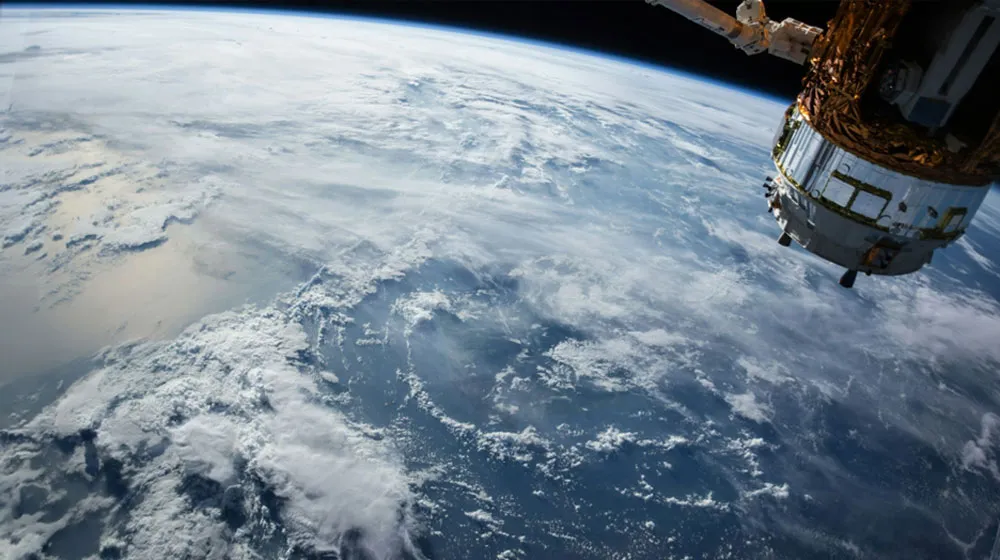
Thanks to the near-complete absence of gravity, proteins and crystals of unparalleled purity are being obtained. A two-hour infusion on Earth would equate to the time of a simple injection in space, illustrating the potential of this research. In 2023, scientists confirmed that the return journey to Earth did not alter the molecular composition of medications, a crucial advancement for future patients.
However, transferring these precious substances back to Earth comes at a significant cost, and mass production presents further challenges. The legal framework still needs to be entirely established to set safety and control standards.
A congress in Cannes in 2024 confirmed the future use of space for research that would be less effective on Earth due to gravity. A second congress, 'Heat from space', on March 4-5, 2026, brought together stakeholders from the space, health, laboratory, and industrial sectors to study the impact of space flights on human bodies and issues of weightlessness. These efforts are deemed promising, requiring coordination between space and pharmaceutical industries.
The ESA is already cultivating cells, yielding good results for cardiovascular diseases and cancers. More recently, on February 21st of this year, a private industrialist successfully and automatically manufactured crystals offering hope for the treatment of HIV.
Important questions remain to be addressed, particularly regarding legal aspects and how to produce and transport these medications in large quantities from space, ensuring they are not reserved for a privileged few.
In conclusion, the collaborative effort of scientists from various countries for the benefit of all humanity serves as an example, contrasting with terrestrial divisions. These space advancements invite reflection on the future of medicine.