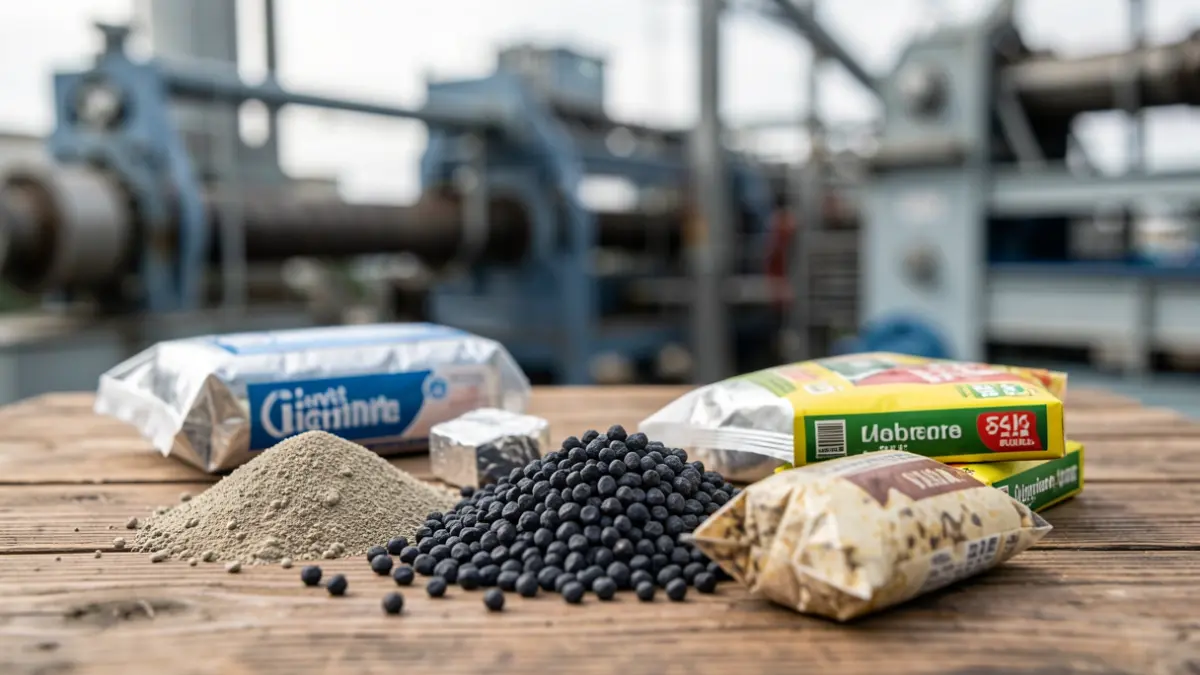
The CESE is addressing the issue of strategic raw materials, defined as essential for national economy and security, whose supply may be compromised. These resources, necessary for important activities, can present access difficulties due to their global distribution, cost, or the transformation steps required, as exemplified by lithium and cobalt used in batteries. The European Critical Raw Materials Act aims to strengthen the European Union's capabilities in this area.
French industry is particularly concerned about the availability of these materials for developing new production in France. The growing demand for metals needed for low-carbon and digital technologies exacerbates this exposure, as highlighted by the French Geological and Mining Research Bureau (BRGM). Meanwhile, the agricultural sector relies on imports of mineral fertilizers, whose cost is influenced by gas prices, as noted by FranceAgriMer. The availability of water is also a major concern due to droughts.
These vulnerabilities can impact economic activity and employment in the affected territories. The use of local resources also raises environmental questions. To address these challenges, the CESE will examine the vulnerabilities of the French economy, drawing on existing studies. Several avenues will be explored, including diversifying supply sources, building strategic stocks, developing the circular economy, and evolving production and consumption patterns. The ADEME's 2025 opinion indicates that recycling alone will not suffice to meet the growing demand for metals for the energy transition.
The work, assigned to the Economic Activities Commission, will be reported by Sylvain Boucherand and Gilles Vermot Desroches. The Overseas Territories Delegation will also be consulted. The final opinion will be presented in a plenary session on November 25, 2026.