Tourism plays a strategic role in the East Africa and Indian Ocean (AEOI) region, serving as a significant source of foreign exchange and employment, and a driver of economic diversification. Bolstered by exceptional natural and cultural heritage and a solid recovery since the health crisis, the sector's economic weight varies greatly by country. It is central to the economic model of the Seychelles, Tanzania, and Madagascar, but remains marginal in Djibouti. The region offers established destinations focused on safaris and high-end beach tourism, as well as emerging destinations targeting high-value niches like ecotourism and business tourism. However, development is hampered by common constraints: air connectivity, infrastructure, skills, and climate vulnerabilities.
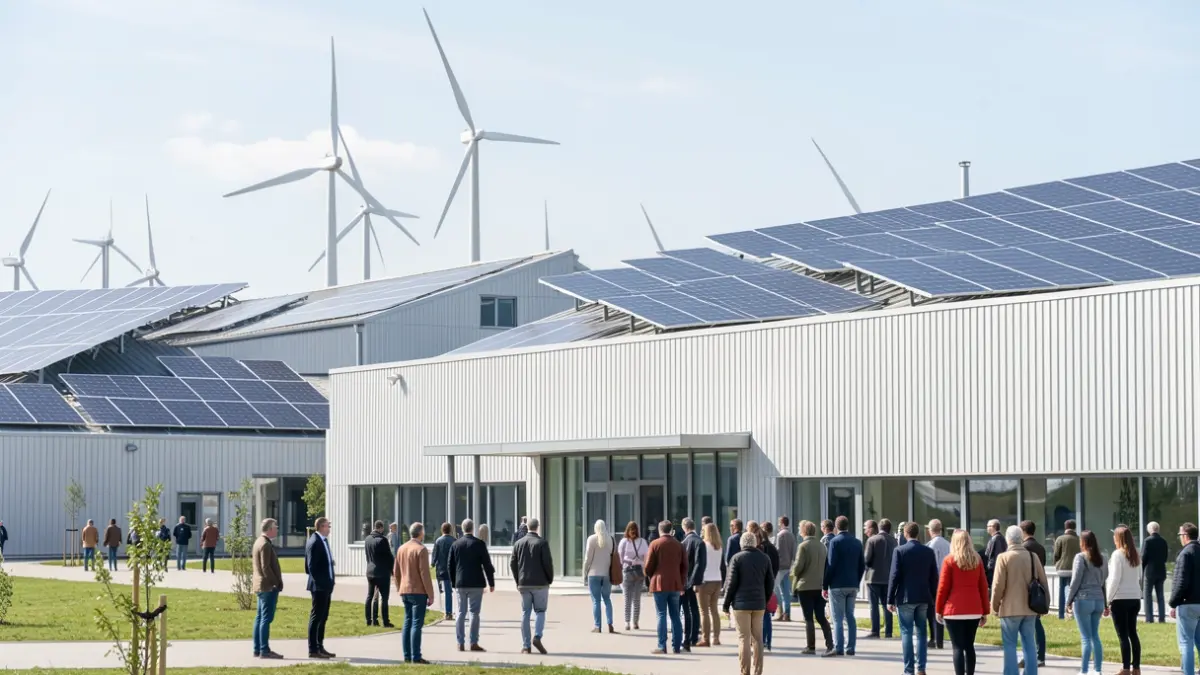
To address these challenges, several states are focusing on upgrading their offerings and hosting major international events. These include the 2027 Africa Cup of Nations (CAN), co-organized by Kenya, Uganda, and Tanzania; the World Athletics Championships in Kenya in 2029; the UCI Road World Championships in Rwanda in 2025; and a future F1 Grand Prix in Kigali. These ambitions create opportunities for French companies, particularly in hospitality, air transport, and ecotourism.
The economic impact of tourism varies significantly: it accounts for approximately 21.0% of GDP in the Seychelles and 17.2% in Tanzania. In Madagascar, it represents 11.0% of GDP, making it the second-largest source of foreign exchange. In Kenya and Rwanda, it reaches nearly 10.0% of GDP, and 8.5% in Ethiopia. Mauritius derives 9% of its added value from tourism. The sector is more modest in Uganda (5.9%) and the Comoros (5.5%), and marginal in Djibouti. Everywhere, it is an essential source of foreign exchange.
Visitor numbers have generally surpassed pre-pandemic levels, albeit at different rates. Tanzania recorded 2.29 million international arrivals in 2025 (+50% vs 2019), Kenya had 2.6 million (+7.2% vs 2024), and Mauritius 1.4 million (+3.9% vs 2024). The Comoros saw arrivals increase by 78% compared to 2019. Rwanda, while its visitor numbers are below 2019 levels, sees its revenue surpass that year, indicating a strategy focused on value over volume. Ethiopia welcomed 1.6 million visitors and generated USD 5 billion in revenue for the 2025/2026 fiscal year.
Demand is segmented: regional flows are significant in Uganda (90% of arrivals) and Rwanda (80%), but these visitors spend less than long-haul travelers (Europe, North America, Asia, Middle East). The diaspora is crucial for the Comoros and growing in Kenya. European clientele dominates in the Indian Ocean (nearly 70% in the Seychelles). Metropolitan France is the leading source market for Mauritius (23.5%). Domestic tourism is also substantial, with 5.2 million visitors in Kenya and 30 million in Ethiopia.
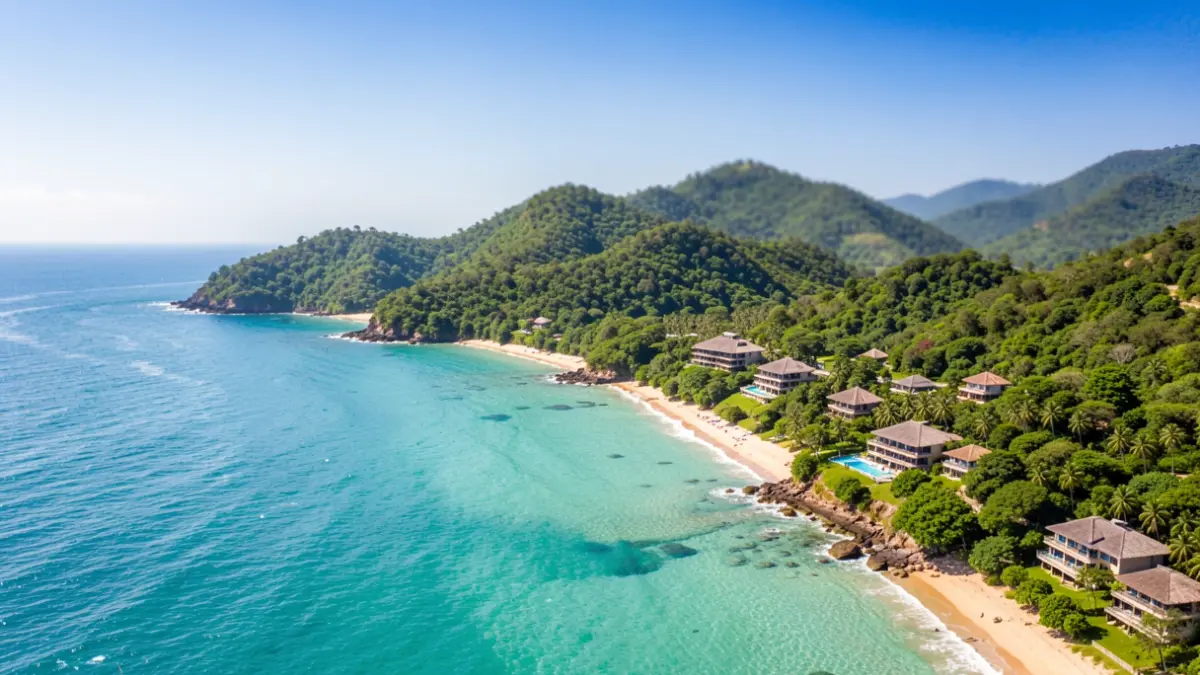
Beyond natural assets, the region is increasingly focusing on heritage and major events. The offering includes wildlife (safaris in Kenya and Tanzania, gorillas in Uganda and Rwanda), high-end beach tourism (Mauritius, Seychelles, Zanzibar), and cultural heritage (12 UNESCO sites in Ethiopia, Stone Town in Zanzibar, Lamu in Kenya). Business and events tourism (MICE) has become a distinct segment: it generated USD 94.7 million in Rwanda in 2025 and accounts for about one-fifth of arrivals in Kenya. Ethiopia will host the COP 32 from November 8 to 19, 2027.
However, common constraints hinder development: limited and costly air connectivity (except for Addis Ababa and Nairobi), insufficient road and hospitality infrastructure, a shortage of skilled labor, strong seasonality, and exposure to climate change (coastal erosion). Regional security and health risks also impact the attractiveness of several destinations.
Ambitious goals are being set: Madagascar aims for one million tourists by 2028, the Comoros for 200,000 arrivals by 2030, and Rwanda for USD 1.1 billion in revenue by 2029. The Seychelles plans to cap visitor numbers at 500,000 by 2030 to preserve its resources. Hosting major events is a central strategy: the 2027 CAN (Kenya, Uganda, Tanzania), the Indian Ocean Island Games in Moroni in August 2027, the World Athletics Championships in Nairobi in 2029, and a Formula 1 Grand Prix in Rwanda.
French presence is established in various segments of the tourism value chain, including hospitality (all ranges), air transport (AF KLM, Corsair, Air Austral), airport retail, and infrastructure engineering. French cooperation supports the sector's sustainability through the AFD and the FFEM, funding biodiversity conservation and heritage valorization.