
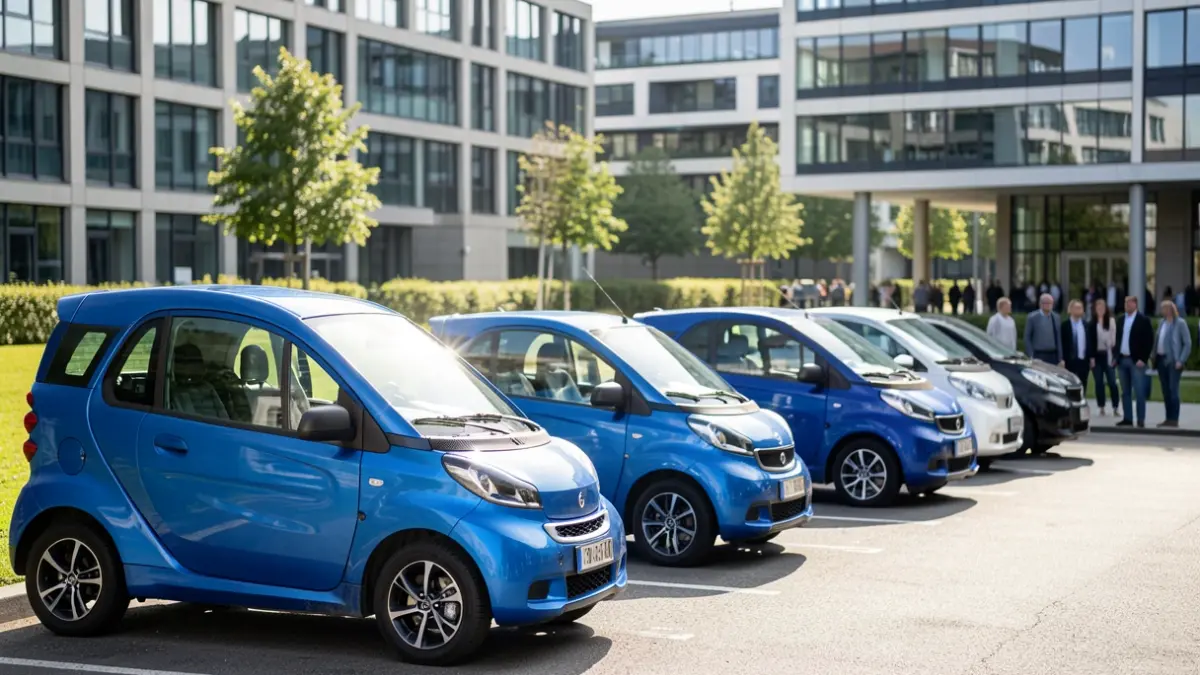
Enedis is rapidly progressing in converting its fleet from thermal to fully electric vehicles. Currently, over 9,500 electric vehicles operate nationwide, accounting for 48.7% of the total fleet. This figure is expected to reach 50% by the end of 2026, positioning Enedis among French leaders in electric mobility, just behind La Poste.
To support this transformation, Enedis has deployed over 10,000 charging points across its sites, including 3,000 staggered charging points. These optimize recharging outside peak consumption periods, aiding better grid management.
This acceleration is part of the company's strategy to achieve a 100% electric light and light commercial vehicle fleet by 2030, excluding vehicles for climate-related emergencies. Guillaume Bray, Internal Electric Mobility Project Director, emphasizes maintaining the same service level and intervention speed with electric vehicles, while training employees in new practices.
This initiative aligns with Enedis's commitment to carbon neutrality by 2050. As transport is the primary source of greenhouse gas emissions in France, fleet electrification is a crucial lever for sustainable emission reduction.
The benefits of this electrification are already evident. In 2025 alone, the strategy saved 13,500 Teq Co2, 5 million liters of fuel, and nearly €9 per 100 km in usage costs. These figures also highlight the economic performance of electric mobility, with reduced fuel and maintenance expenses and better operational cost control.
The success of this transition is both technological and human. In each Regional Directorate, dedicated contacts assist employees in adopting new habits, sharing best practices, ensuring high service levels, and fulfilling the public service mission. Enedis's experience reflects a broader trend across many sectors, with more companies choosing electric due to continuous vehicle improvements, denser charging infrastructure, and economic gains from total cost of ownership (TCO).
Despite progress, challenges remain, particularly in large-scale recharging. Smart charging development already helps shift consumption away from peak hours, reducing grid strain and generating savings. The expansion of charging infrastructure in both corporate and public spaces is accelerating, further facilitating the shift to electric mobility.