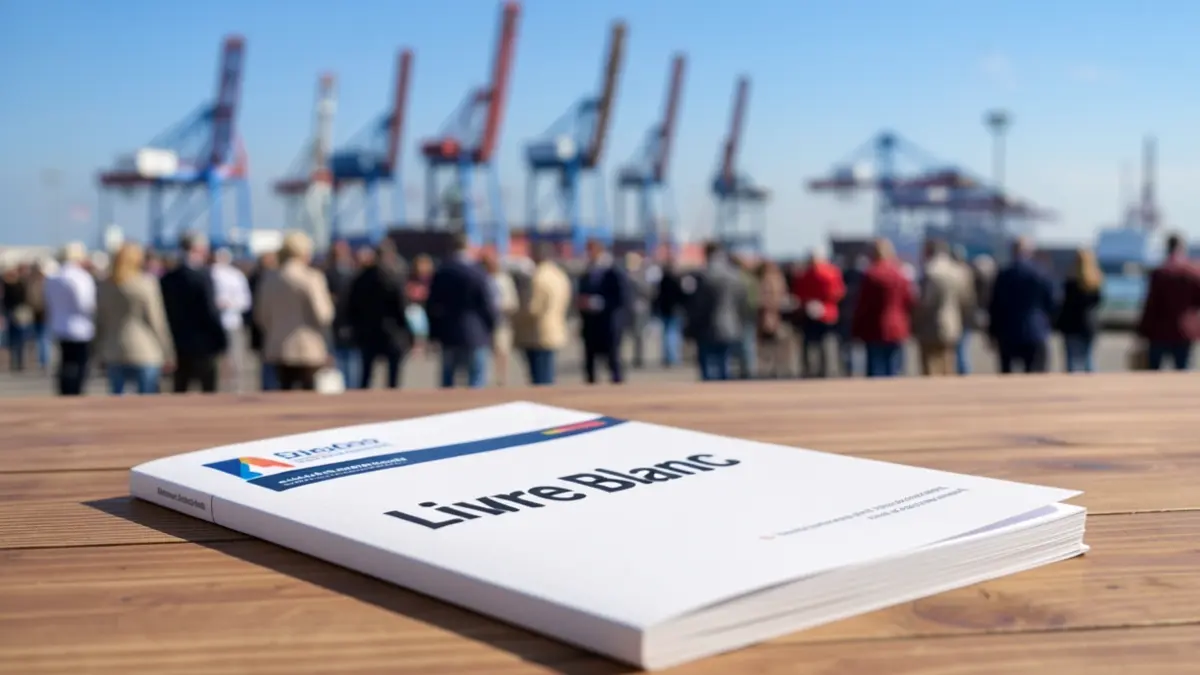
During the Sea Economy Summit, WISTA France presented its publication titled 'Accelerating the feminisation of maritime jobs' to Catherine Chabaud, Minister Delegate for the Sea and Fisheries. This document, developed at the request of the ministerial authority, relies on contributions from sector stakeholders to propose a coordinated and sustainable transformation of the industry.
The initial assessment highlights a major imbalance: while women make up an average of 28.2% of the French maritime sector workforce, they account for less than 10% of onboard jobs. Internationally, their share is even lower, with only 1% of seafarers according to the 2024 ILO and WISTA International survey.
The white paper identifies persistent barriers throughout professional paths: guidance, access to training, recruitment, working conditions, and progression into command and management roles. The ambition is no longer just to integrate more women, but to enable them to build their entire careers in the maritime sector.
To reach the goal of 30% feminisation by 2030, four priority proposals are structured around 15 recommendations: stimulate vocations via a national guidance plan, remove professional barriers through mentoring and adapting environments, measure progress with harmonised indicators, and organise a national trajectory involving public authorities and businesses.